 Image 1 of 1
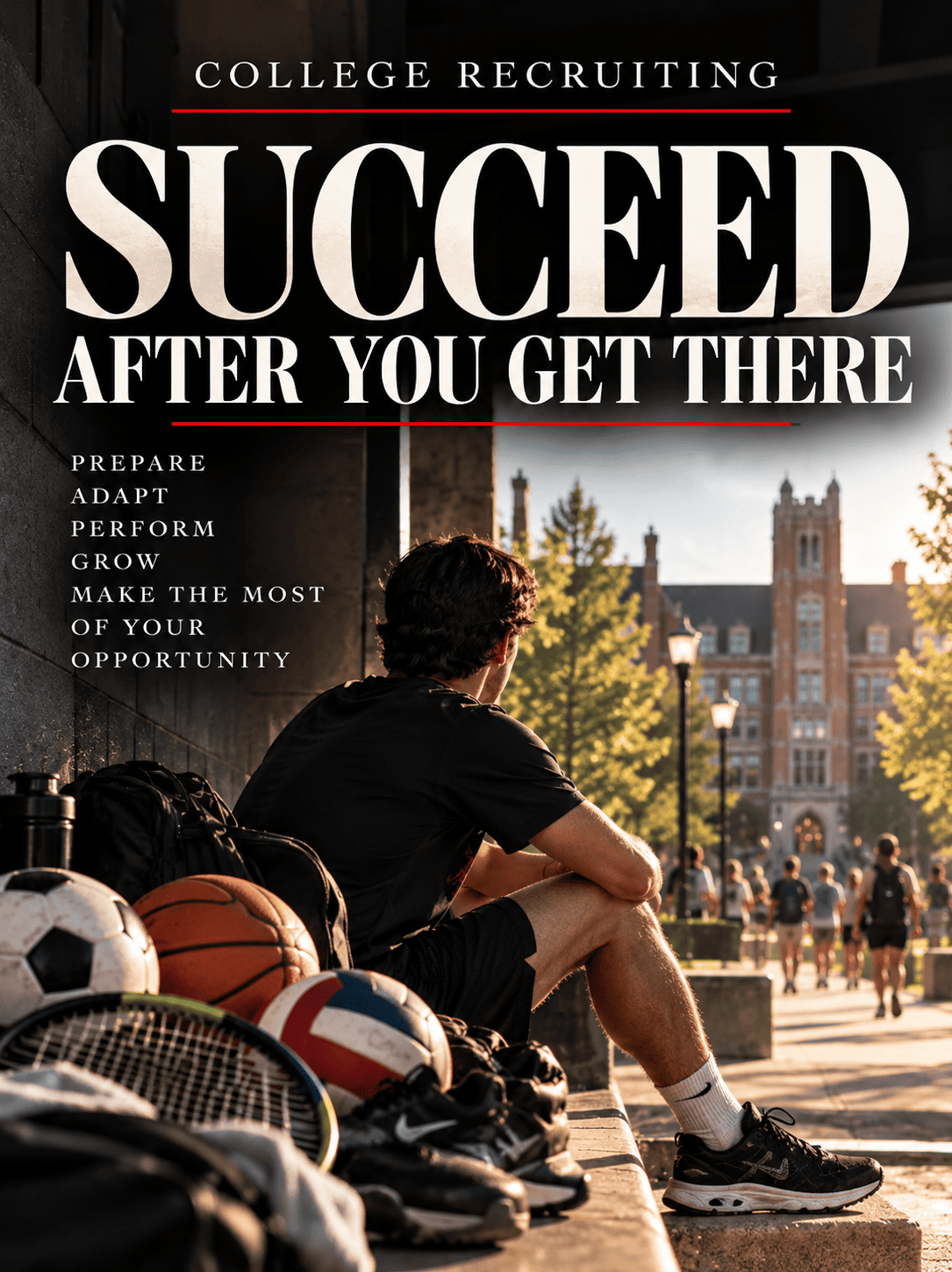
College Recruiting - Succeed After You Get There.
College Recruiting – Succeed After You Get There
Getting recruited is the beginning. Succeeding once you arrive is what matters most.
Earning a college baseball or softball opportunity is a major achievement, but the real work begins when you step onto campus. The transition from high school athlete to college student-athlete brings new expectations, greater responsibilities, tougher competition, academic demands, and pressure to perform. Talent may help you earn the opportunity, but your preparation, discipline, attitude, and ability to adapt will determine how much you get out of it.
The College Recruiting – Succeed After You Get There category has been developed to help student-athletes prepare for the realities of college athletics and understand what it takes to succeed after making the team, receiving an offer, or committing to a program. This collection of educational resources gives athletes practical guidance, strategies, and insights to help them navigate college life with confidence, professionalism, and purpose.
Rather than focusing solely on getting recruited, this category focuses on what happens next: earning trust, building relationships, managing your responsibilities, competing for playing time, handling setbacks, and making the most of your college experience.
What You Will Get From This Category
1. Understanding the Transition to College Athletics
Learn what changes when you move from high school athletics to the college environment. Understand the differences in training intensity, competition, coaching expectations, time commitments, personal responsibility, and daily routines. Prepare yourself mentally and practically for the demands of becoming a college student-athlete so you can arrive with realistic expectations rather than learning everything through trial and error.
2. Building Strong Relationships With Coaches and Teammates
Discover how to communicate effectively with your coaches, demonstrate respect, receive feedback, build trust, and become a dependable member of your team. Learn the importance of body language, attitude, accountability, communication, and being coachable. Understand how to handle disagreements professionally, ask questions appropriately, and contribute to a positive team environment.
3. Competing for Playing Time and Earning Your Role
Being recruited does not guarantee a starting position or immediate playing time. Learn how to approach competition within your own program, respond when teammates outperform you, and keep developing when opportunities are limited. Understand how preparation, consistency, effort, performance, and attitude can influence your role. Build a productive mindset that focuses on what you can control instead of becoming frustrated by what you cannot.
4. Developing Mental Toughness and Handling Adversity
College athletics will test you. You may experience poor performances, injuries, reduced playing time, difficult coaching feedback, confidence issues, or periods when progress feels slow. Learn strategies for responding constructively to setbacks, managing frustration, maintaining perspective, and rebuilding confidence. Develop the ability to separate temporary struggles from your long-term potential and turn challenging experiences into opportunities for growth.
5. Managing Academics and Athletic Responsibilities
College student-athletes must balance practices, games, training, travel, studying, assignments, examinations, and personal responsibilities. Learn how to organize your schedule, prioritize tasks, manage deadlines, and develop productive study habits. Understand why academic accountability matters and how planning ahead can reduce stress, protect your academic progress, and help you remain prepared for the demands of college life.
6. Developing Professionalism, Discipline, and Accountability
Learn what it means to conduct yourself like a responsible college athlete. Explore punctuality, preparation, personal standards, work ethic, communication, respect, and taking ownership of your decisions. Understand how your daily habits influence the way coaches, teammates, professors, and others perceive you. Develop the mindset of someone who can be trusted to do the right things consistently, even when nobody is watching.
7. Maintaining Physical Development and Performance
Your athletic development does not stop when you reach college. Learn why consistent preparation, appropriate strength and conditioning, mobility, recovery, nutrition, hydration, and sleep are important parts of long-term performance. Understand the value of following your coaching staff's training expectations, communicating about physical concerns, and developing sustainable habits that support your performance throughout the season and beyond.
8. Navigating College Life Away From Home
For many athletes, college is the first time they must manage a significant portion of their lives independently. Learn how to handle new routines, personal finances, relationships, social situations, and the responsibilities that come with living away from home. Explore ways to establish healthy habits, make thoughtful decisions, manage distractions, and maintain a balance between athletics, academics, friendships, and personal well-being.
9. Communication, Leadership, and Team Culture
Discover how to become a positive influence within your program, regardless of your year, experience, or playing status. Learn the difference between being a vocal leader and leading through actions. Understand how to support teammates, accept responsibility, handle difficult conversations, and contribute to a culture built on respect, effort, and accountability. These skills can help you become a more valuable teammate and prepare you for future leadership opportunities.
10. Understanding Expectations and Making Informed Decisions
College athletics can involve complex expectations, team policies, academic requirements, and important personal decisions. Learn why it is essential to understand your responsibilities, ask questions when something is unclear, communicate concerns appropriately, and seek guidance from qualified college personnel when necessary. Build the confidence to advocate for yourself respectfully while understanding the importance of following your institution's rules and procedures.
11. Managing Confidence, Pressure, and Performance Expectations
The pressure to justify a coach's decision to recruit you can be challenging, particularly when you are adjusting to a higher level of competition. Learn how to focus on preparation rather than comparisons, manage performance expectations, and develop confidence through consistent effort and progress. Understand why mistakes are part of development and how a process-focused approach can help you compete with greater clarity and resilience.
12. Planning for Long-Term Success Beyond College Sports
College athletics can provide valuable lessons that extend well beyond the playing field. Develop an understanding of how communication, leadership, discipline, teamwork, adaptability, and accountability can prepare you for employment, further education, and future opportunities. Learn to view your college experience as an opportunity to develop both as an athlete and as a person.
Who Is This Category For?
This collection is designed for:
Committed high school athletes preparing to enter a college baseball or softball program.
Incoming freshmen who want to understand what to expect during their first year.
Current college athletes working to improve their performance, confidence, habits, and relationships.
Athletes struggling with playing time who need a constructive approach to competition and development.
Parents and families who want to better understand the challenges student-athletes face after recruitment.
Athletes considering their future who want to make informed decisions about their college experience and long-term development.
Whether you are preparing to arrive on campus or already competing at the college level, these resources can help you approach your next stage with greater awareness and preparation.
Why This Category Matters
Too many athletes spend years concentrating on getting recruited without adequately preparing for what happens after they commit. They celebrate the offer, but may not fully understand the demands of college athletics, the importance of academic responsibility, the competition for playing time, or the personal growth required to succeed away from home.
Getting recruited opens a door. What you do after walking through it is up to you.
This category helps athletes shift their mindset from simply earning an opportunity to making the most of it. It reinforces the importance of preparation, adaptability, consistency, communication, and taking responsibility for your own development.
What You Can Expect to Gain
By working through the resources in this category, you will develop a clearer understanding of college athletic expectations, practical approaches to managing your responsibilities, strategies for handling adversity, and habits that support your growth as a student, athlete, teammate, and individual.
You will be better prepared to ask the right questions, recognize common challenges, make more thoughtful decisions, and take ownership of the areas of your college experience that you can control.
Your college opportunity deserves more than excitement. It deserves preparation.
The College Recruiting – Succeed After You Get There category is designed to help you prepare for the next chapter, approach challenges with confidence, and build the habits necessary to get the most out of your college baseball or softball experience.
Don't just focus on getting there. Prepare yourself to succeed once you arrive.